
The short answer
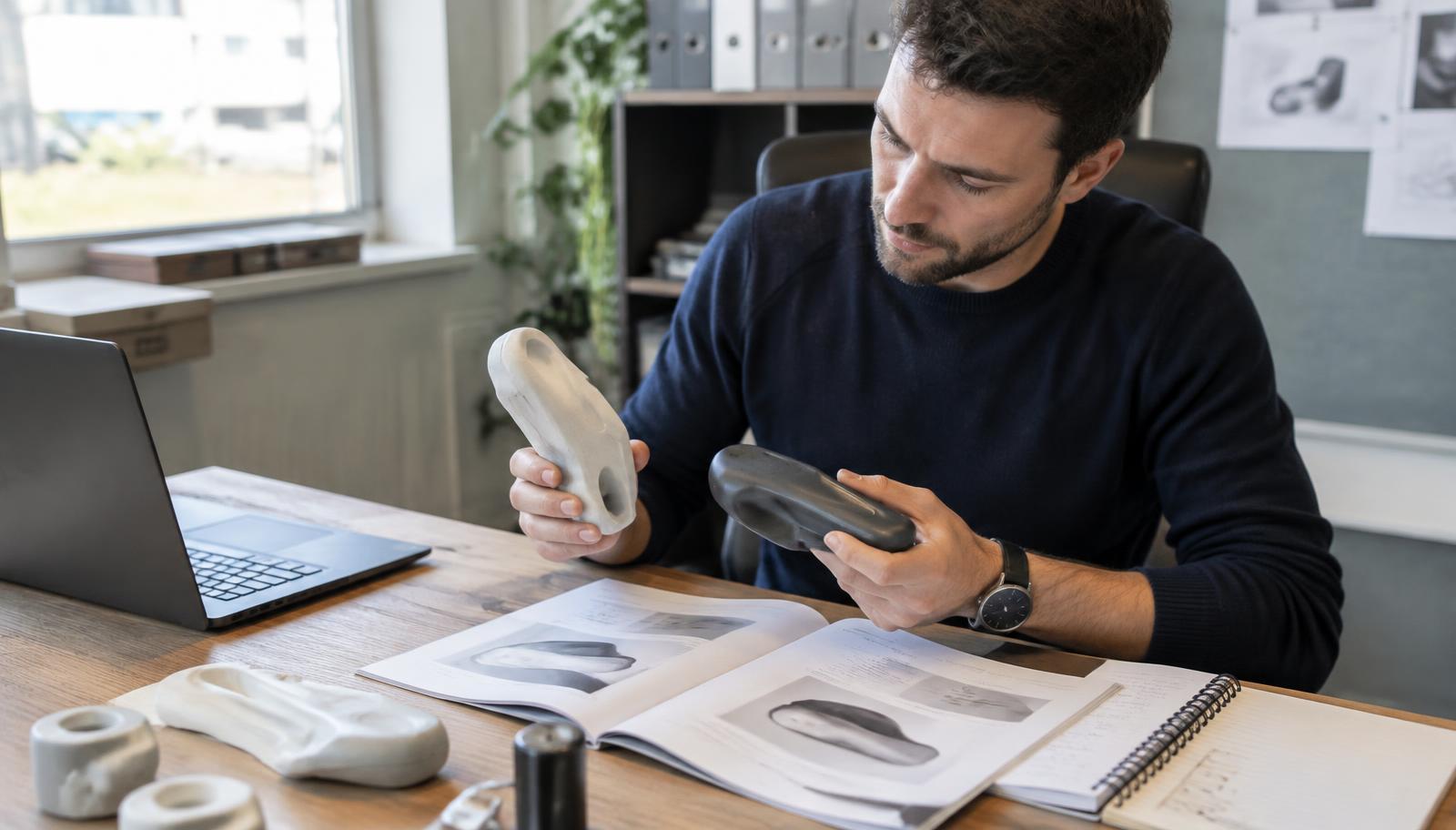
ODM (original design manufacturing) means you start from a product the factory already makes and customise it — colours, materials, logo, packaging. OEM (original equipment manufacturing) means the factory builds a product to your own design and specifications.
ODM is usually faster and needs less upfront investment. OEM gives you more control and a more distinctive product, but needs more development time and often tooling.
When ODM makes sense
You want to test a market quickly, your budget is limited, or the product category is mature and differentiation comes from branding rather than engineering. Many private-label brands start here.
When OEM makes sense
You have a unique design, a feature competitors lack, or you need tight control over materials and performance. Expect sampling rounds, drawings or prototypes, and possibly mould costs. Discuss design and IP ownership with a qualified lawyer before sharing files.
Questions to ask any factory
What is the minimum order quantity for this level of customisation? Who owns the moulds? How many sample rounds are included? What is the lead time after sample approval? Answers vary widely by product and supplier, so compare several quotes.